How to Assess a Site for Padel Before Buying or Leasing It
Finding land that looks suitable for a padel club is only the first step. A vacant plot, disused car park, warehouse or leisure facility might appear ideal, but its commercial potential depends on far more than available space.
Before buying or signing a long-term lease, you need to understand whether the site can accommodate the courts, secure the necessary permissions, support the construction work and operate as a viable business.
A structured padel site feasibility assessment can help identify expensive problems before you commit significant capital.
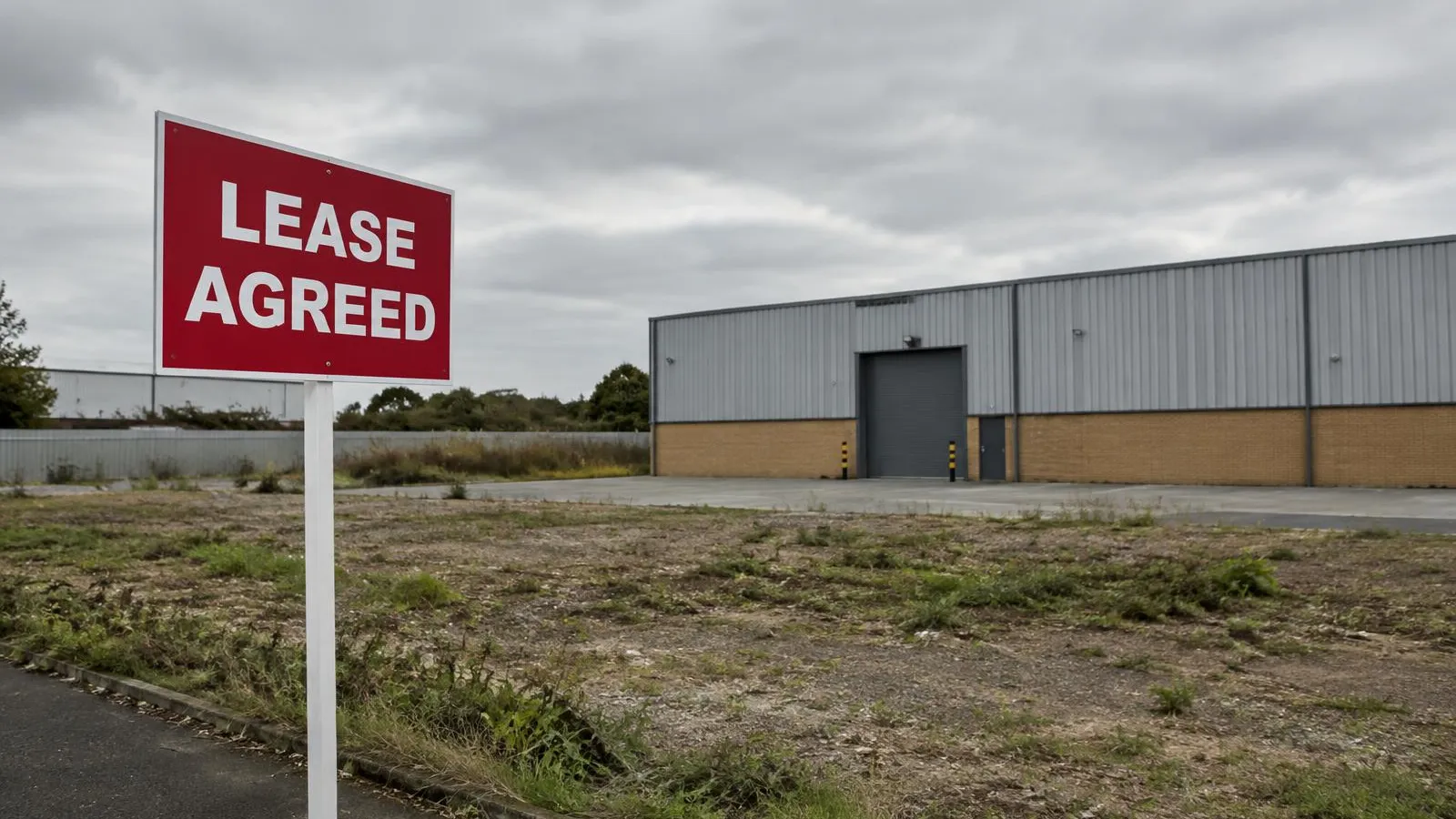
1. Check the available space and layout
Start by measuring the usable area rather than relying on the total site acreage advertised by an agent.
A standard doubles padel court measures 20 metres by 10 metres internally. However, the court dimensions alone do not represent the total space required for a successful facility — see our padel court dimensions and space requirements guide.
You must also consider circulation routes, safe access, entrances, separation between courts, lighting, fencing, maintenance access and any proposed canopies or buildings. Allow additional space for reception, toilets, changing facilities, storage and customer parking where required.
For indoor sites, assess the building's internal dimensions, clear height, columns, roof structure and obstructions — our article on converting a warehouse, barn or industrial unit covers this. For outdoor sites, consider boundaries, neighbouring properties, drainage and the implications of adding lighting or covered courts.
Prepare a preliminary site layout showing how many courts can realistically fit. Do not base your financial projections on a court count that has not been tested against the actual site.
2. Investigate planning permission and permitted use
Planning is one of the most important considerations when assessing land for padel courts in the UK.
The suitability of a site depends on its existing use, proposed development, local planning policies and the characteristics of the surrounding area. A site used for sports or leisure activities is not automatically approved for a new padel facility.
Potential issues include changes of use, new buildings or canopies, external lighting, fencing, signage, parking and operating hours. Noise from gameplay and customer activity can also be significant, particularly near residential properties.
Agricultural land, industrial premises and vacant commercial sites each present different planning considerations. Never assume that an existing building or commercial designation means your proposed use will be acceptable.
Review the local planning authority's policies and relevant planning history. Where uncertainty exists, obtain advice from a suitably qualified planning professional before committing to the site. Our padel court planning permission guide outlines the main issues.
3. Assess access, parking and local demand
A technically suitable site may still struggle commercially if customers cannot reach it conveniently.
Check road access, public transport, walking and cycling routes, visibility, parking availability and any restrictions on vehicle movements. Consider how customers will arrive during peak evening and weekend periods.
Next, assess the catchment area. Identify nearby population centres, competing padel clubs, other racket sports facilities and potential customer groups. Look at existing court availability, local participation and the likely demand for lessons, leagues, social play and corporate events.
Competition is not necessarily a reason to reject a site: an established padel community may demonstrate demand. The key question is whether enough customers are likely to use your proposed facility at prices that support the business.
4. Check ground conditions, drainage and utilities
Ground conditions can materially affect construction costs and timescales.
For outdoor sites, investigate levels, soil conditions, drainage, flood risk, ground stability and potential contamination. Uneven ground, poor drainage or difficult access for construction machinery can add costs that are not obvious during an initial visit. Our groundworks and foundations guide explains what to look for.
For indoor sites, inspect the slab, floor levels, structural condition, roof integrity and the building's suitability for the proposed installation. Confirm that the available clear height and structure meet the requirements of your intended court and canopy specification.
Establish whether electricity, water, drainage, broadband and other required services are available at suitable capacities. Lighting, heating, ventilation and customer facilities can all affect utility requirements.
Obtain specialist surveys or engineering advice where necessary. A visual inspection alone cannot confirm that a site is ready for development.
5. Understand the total development cost
Land price or rent is only one part of the investment.
Your assessment should account for court supply and installation, foundations, groundworks, drainage, lighting, fencing, canopies or buildings, professional fees, planning work, utilities, parking, landscaping and customer facilities. Our padel court cost guide breaks down how these costs differ.
Include contingency for unforeseen works, together with ongoing rent, business rates where applicable, insurance, maintenance, staffing, marketing and other operating expenses.
For a lease, examine the lease term, rent reviews, break clauses, permitted use, landlord consent, repair obligations and reinstatement requirements. A short lease may be unsuitable for a project requiring substantial upfront investment.
Compare the expected total costs with realistic revenue scenarios based on court utilisation, hourly pricing, seasonality and supplementary income. Model conservative assumptions rather than relying on full occupancy.
6. Identify risks before committing
Before exchanging contracts or signing a lease, compile a site due-diligence checklist.
Confirm the site's boundaries and access rights, investigate title restrictions and easements, review planning constraints, establish whether the intended development is technically feasible, and identify any third-party approvals required.
Record unresolved questions, estimated costs, responsible professionals and the decisions that depend on each finding.
Where appropriate, discuss conditional contracts, suitable break clauses or other protections with your solicitor. These may help manage risk, although their availability and effectiveness depend on the transaction.
The objective is not to eliminate every uncertainty. It is to understand the material risks and costs before they become your responsibility.
7. Turn a promising site into a viable project
The strongest padel sites combine practical layout potential, achievable planning, suitable infrastructure, accessible customer catchments and a credible commercial model.
Assessing these factors together is more useful than simply counting how many courts appear to fit on a piece of land. A site with fewer courts but lower development costs and stronger demand may offer a better investment than a larger, more complicated alternative.
Considering land for padel courts?
Before you buy or lease, take a structured approach to site selection. The Build & Padel feasibility and planning package can help you explore site suitability, development requirements and the next steps towards a viable padel project.
Related reading
All Padel Court Articles & Insights · Padel guides and resources